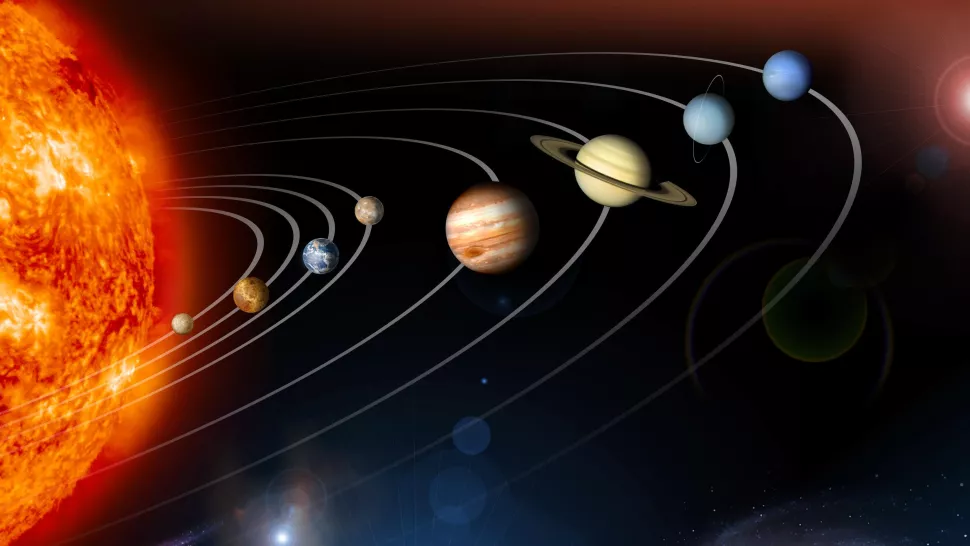
Our solar system is comprised of 8 planets. Click on the image or here to see the bigger picture.

Mercury is the smallest, yet closest, planet to the Sun. Its atmosphere is practically non-existent, and its surface temperature (for the side facing the Sun) is about 179°C.
Venus is the second closest planet to the Sun. Its atmosphere is thick, filled with carbon dioxide, which traps heat from the Sun, making this the hottest planet in our solar system (475°C).

Earth is the third planet from the Sun and also the planet we inhabit. It is one of the only place in our Universe known
to support life and living organisms. Our planet is about 4.543 billion years old.

Mars is the fourth planet from the Sun. Its atmosphere is thinner than Earth's and primarily composed of carbon dioxide, however, humans are still attempting to colonize it and make it habitable.
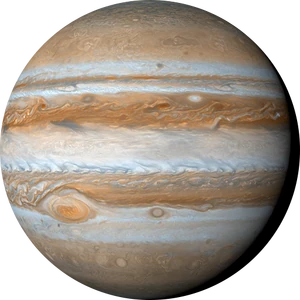
Jupiter is the fifth planet from the Sun. It is a gas giant and also the largest planet in our solar system. It is most well known for its Great Red Spot (a huge storm that has been going on for centuries.
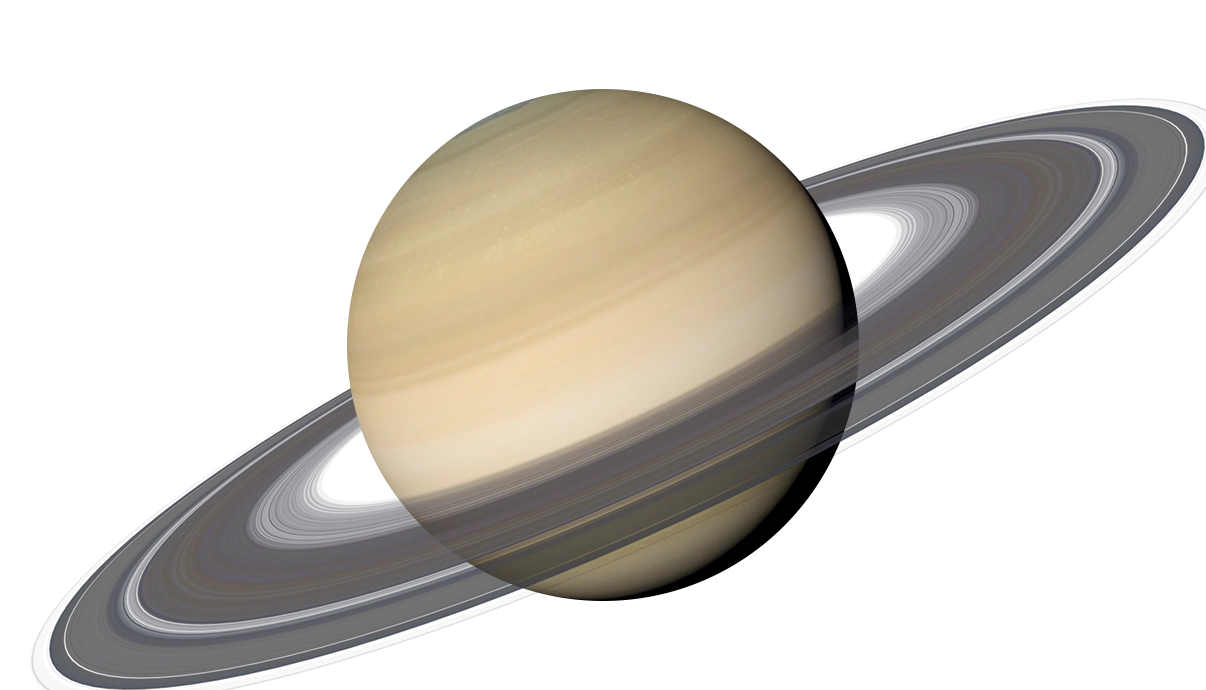
Saturn is the sixth planet from the Sun. It is also a gas giant and the second largest planet in our solar system. While all gas giants have rings, Saturn's are the most extensive and distinguishable.

Uranus is the seventh planet from the Sun. It is a gas giant with a surface temperature of -214°C which makes it the coldest planet in our solar system. It looks blue due to the methane gas in its atmosphere.

Neptune is the eighth and farthest planet from the Sun. It is a gas giant and the second coldest planet in our solar system (-200°C average). Its blue color also comes from methane gas.
If you find this information interesting, consider a future career at NASA.
Here are my personal favorite things in space!